
The cell line is not validated yet.
CSUi009-A
General
iPSC Line |
|
| hPSCreg name | CSUi009-A |
| Cite as: | CSUi009-A |
| iPSC line type | Human induced pluripotent stem cell (hiPSC) |
| Similar iPSC lines | No similar lines found. |
| Last update | 10th April 2026 |
| User feedback | |
Provider |
|
| Generator |
Central South University (CSU)
Contact:
Central South University (CSU) |
| Owner | Central South University (CSU) |
| Distributors | |
| Derivation country | China |
External iPSC Databases |
|
| BioSamples | SAMEA117982051 |
General iPSC Information |
|
| * Is the cell line readily obtainable for third parties? |
No |
Donor Information
General Donor Information |
|
| Sex | female |
Phenotype and Disease related information (Donor) |
|
| Diseases | A disease was diagnosed.
|
| Family history | His daughter had thrombocytopenia present at birth. |
| Is the medical history available upon request? | Yes |
| Is clinical information available? | Yes |
Karyotyping (Donor) |
|
| Has the donor karyotype been analysed? |
Yes
46,XX
|
Other Genotyping (Donor) |
|
| Is there genome-wide genotyping or functional data available? |
Yes
Exome sequencing
three potentially clinically relevant variants: A heterozygous SLFN14 c.277C>T (p.Arg93Cys) variant; A homozygous SLFN14 c.278A>G (p.Lys93Arg) variant; A heterozygous TUBB1 c.920G>A (p.Arg307His) variant |
External Databases (Donor) |
|
| BioSamples | SAMEA117982052 |
Ethics
| Has informed consent been obtained from the donor of the embryo/tissue from which the pluripotent stem cells have been derived? | Yes |
| Was the consent voluntarily given? | Yes |
| Has the donor been informed that participation will not directly influence their personal treatment? | Yes |
| Can you provide us with a copy of the Donor Information Sheet provided to the donor? | Yes |
| Do you (Depositor/Provider) hold the original Donor Consent Form? | Yes |
| Is there other documentation provided to the donor for consenting purposes? | No |
| Confirm that consent was obtained by a qualified professional | Yes |
| Has the donor agreed to be re-contacted? | Yes |
| Has the donor been informed about how her/his data will be protected? | Yes |
| Please indicate whether the data associated with the donated material has been pseudonymised or anonymised. | pseudonymised |
| Does consent explicitly allow the derivation of pluripotent stem cells? | Yes |
| * Does consent expressly prevent the derivation of pluripotent stem cells? | No |
| * Does consent pertain to a specific research project? | Yes |
| Details on restriction to research project | The consent relates to a specific research project entitled “Molecular mechanisms of megakaryocyte developmental and functional defects in inherited thrombocytopenia”. The donated PBMC samples are to be used only for the iPSC reprogramming, megakaryocyte differentiation, and related mechanistic studies. |
| Does consent permit unforeseen future research, without further consent? | No |
| Does the consent permit uses of donated embryo/tissue or derived cell line intended for clinical treatment or human applications? | No |
| Does consent expressly prevent development of commercial products? | Yes |
| Does consent expressly prevent financial gain from any use of the donated embryo/tissue, including any product made from it? | No |
| Does consent expressly permit storage of donated embryo/tissue for an unlimited time? | No |
| Does consent expressly permit storage of cells derived from the donated embryo/tissue for an unlimited time? | No |
| Does consent prevent the DONATED BIOSAMPLE from being made available to researchers anywhere in the world? | Yes |
| Does consent prevent CELLS DERIVED FROM THE DONATED BIOSAMPLE from being made available to researchers anywhere in the world? | Yes |
Does consent permit research by | |
| an academic institution? | Yes |
| a public organisation? | No |
| a non-profit company? | No |
| a for-profit corporation? | No |
| Does consent expressly permit collection of genetic information? | Yes |
| Does consent expressly permit storage of genetic information? | Yes |
| Does consent prevent dissemination of genetic information? | No |
| Has the donor been informed that their donated biosample or derived cells may be tested for the presence of microbiological agents / pathogens? | No |
| Has the donor consented to receive information discovered during use of donated embryo/tissue that has significant health implications for the donor? | No |
| How may genetic information associated with the cell line be accessed? | Controlled Access |
| Will the donor expect to receive financial benefit, beyond reasonable expenses, in return for donating the biosample? | No |
| Does the consent anticipate that the donor will be notified of results or outcomes of any research involving the donated samples or derived cells? | No |
| Does the consent permit the donor, upon withdrawal of consent, to stop the use of the derived cell line(s) that have already been created from donated samples? | Yes |
| Does the consent permit the donor, upon withdrawal of consent, to stop delivery or use of information and data about the donor? | Yes |
| Does consent permit access to medical records of the donor? | Yes |
| Please describe how access is provided: | Access to medical records is provided through the donor’s written informed consent. Only authorised personnel, including researchers, relevant health authorities, institutional staff, and ethics committee members, may review the records for study verification under strict confidentiality safeguards. |
| Does consent permit access to any other source of information about the clinical treatment or health of the donor? | No |
| Has a favourable opinion been obtained from a research ethics committee, or other ethics review panel, in relation to the Research Protocol including the consent provisions? | Yes |
| Name of accrediting authority involved? | Clinical Research Ethics Committee of the Second Xiangya Hospital, Central South University |
| Approval number | LYEC2025-0158 |
| Is there an MTA available for the cell line? | No |
| For generation of the cell line, who was the supplier of any recombined DNA vectors or commercial kits used? | commercial kits from thermo fisher |
iPSC Derivation
General |
|
| Source cell type |
A peripheral blood cell with a single nucleus. This category includes lymphocytes and monocytes.
Synonyms
|
| Source cell origin |
A liquid tissue; its major function is to transport oxygen throughout the body. It also supplies the tissues with nutrients, removes waste products, and contains various components of the immune system defending the body against infection. Several hormones also travel in the blood.
Synonyms
|
Reprogramming method |
|
| Vector type | Non-integrating |
| Vector | Sendai virus |
| Is reprogramming vector detectable? |
No |
| Methods used |
RT-PCR
|
| Files and images showing reprogramming vector expressed or silenced | |
Vector free reprogramming |
|
| Type of used vector free reprogramming factor(s) |
None
|
Other |
|
| Selection criteria for clones | Clones were picked based on typical pluripotent stem cell morphology. |
| Derived under xeno-free conditions |
No |
| Derived under GMP? |
No |
| Available as clinical grade? |
No |
iPSC Culture Conditions
| Surface coating | Matrigel/Geltrex |
| Feeder cells |
No |
| Passage method |
Enzyme-free cell dissociation
Gentle Cell Dissociation Reagent
|
| CO2 Concentration | 5 % |
| Medium |
mTeSR™ Plus
|
| Has Rock inhibitor (Y27632) been used at passage previously with this iPSC line? | No |
| Has Rock inhibitor (Y27632) been used at cryo previously with this iPSC line? | No |
| Has Rock inhibitor (Y27632) been used at thaw previously with this iPSC line? | No |
iPSC Characterisation
Analysis of undifferentiated iPSCs
| Marker | Present | Absent |
| mCpG | ||
| OCT4 | X |
Differentiation Potency
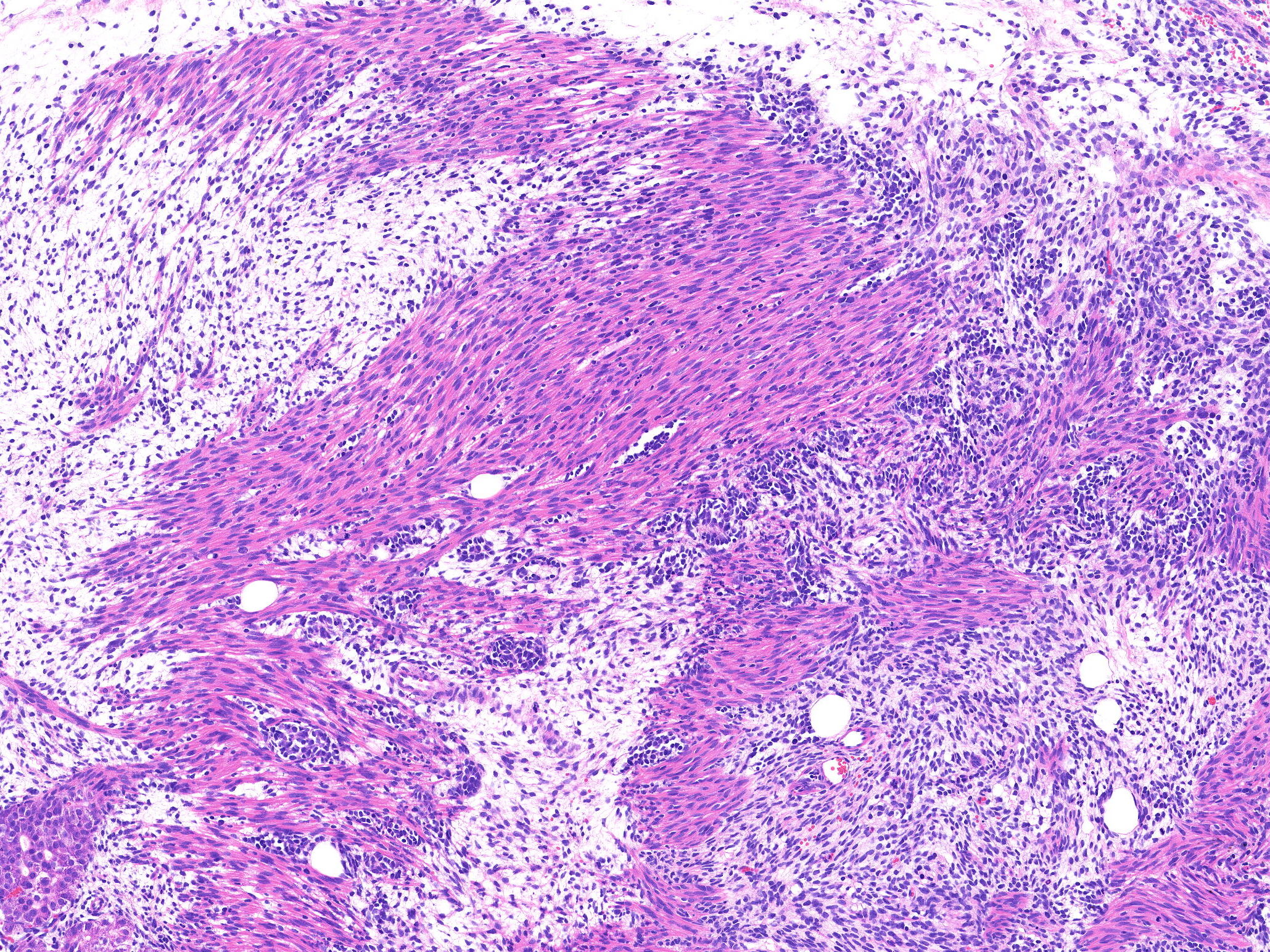
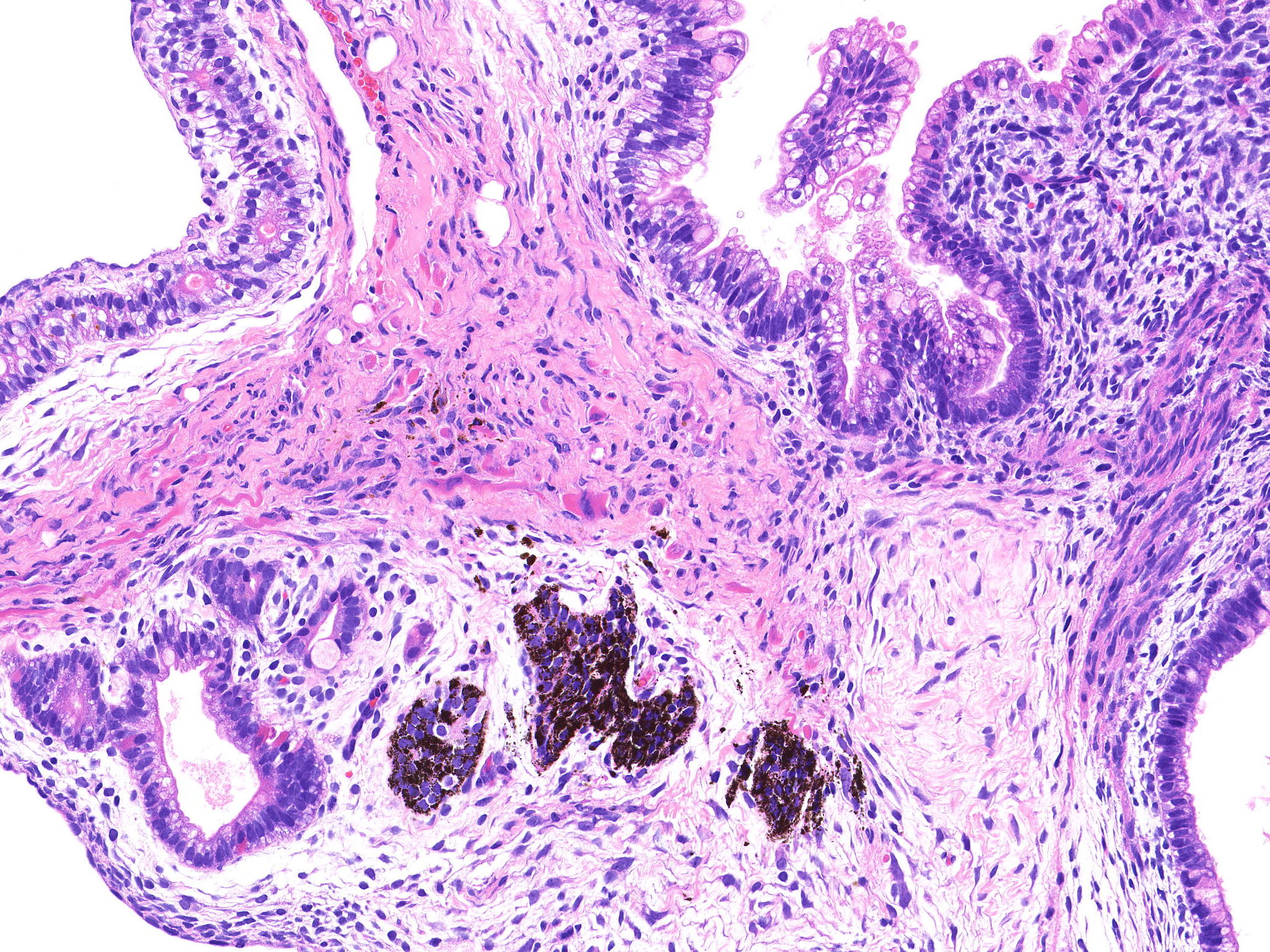
In vivo teratoma
Morphology
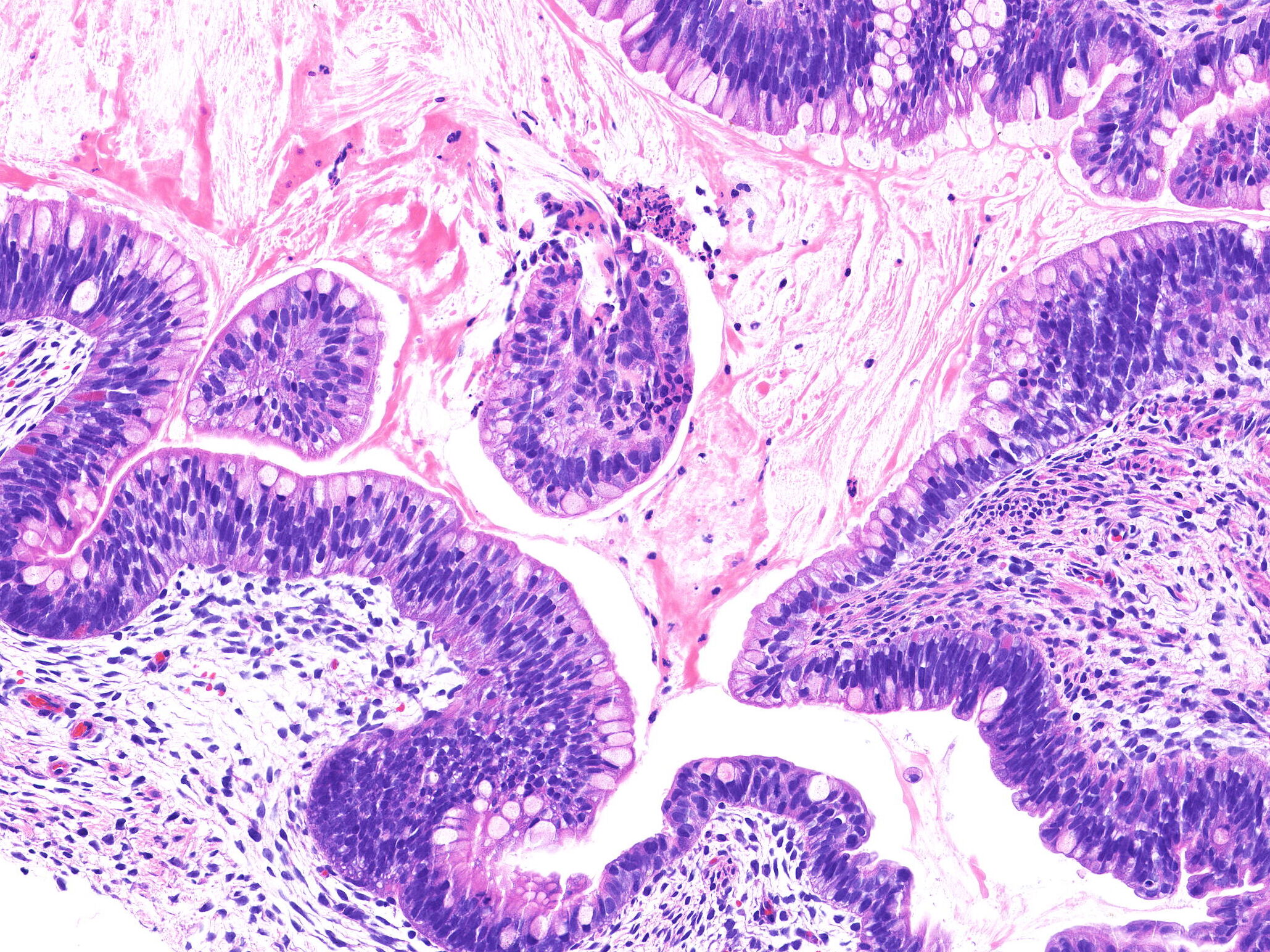
Gastrointestinal glandular epithelium
Microbiology / Virus Screening |
|
| Mycoplasma | Negative |
Genotyping
Karyotyping (iPSC Line) |
|
| Has the iPSC line karyotype been analysed? |
Yes
|
Other Genotyping (iPSC Line) |
|
Login to share your feedback, experiences or results with the research community.